
“Architectural travel does not end with maturity – all the practicing architects I know travel in order to see places with their own eyes, to observe the effect of a specific form, a quality of light, or a particular dimension, and to learn how people behave in certain spaces.”
Witold Rybczynski, How Architecture Works: A Humanist’s Toolkit
While I am not an architect, I do enjoy traveling to new cities. Each new city brings with it the excitement of seeing beautiful buildings. Pictures can only show us one particular detail or a single segment of scenery. They are crafted to show their subjects in the most flattering light. But seeing something in person is a completely different experience. We see how all of the elements that define a city interact with each other. We see their flaws and shortcomings and we also see their beauty from different angles and perspectives. There is a new context, and for us, the traveler, that is what excites us.
Here is a short segment on my trip to London.
I arrived early Sunday morning and the weather was perfect. It was slightly chilly and cloudy. I checked my luggage at my hotel, grabbed my book bag and I immediately set out exploring. I first walked towards Trafalgar Square and took in the sight of Nelson’s Column and the National Gallery. I would later be returning to visit the Gallery on Wednesday.
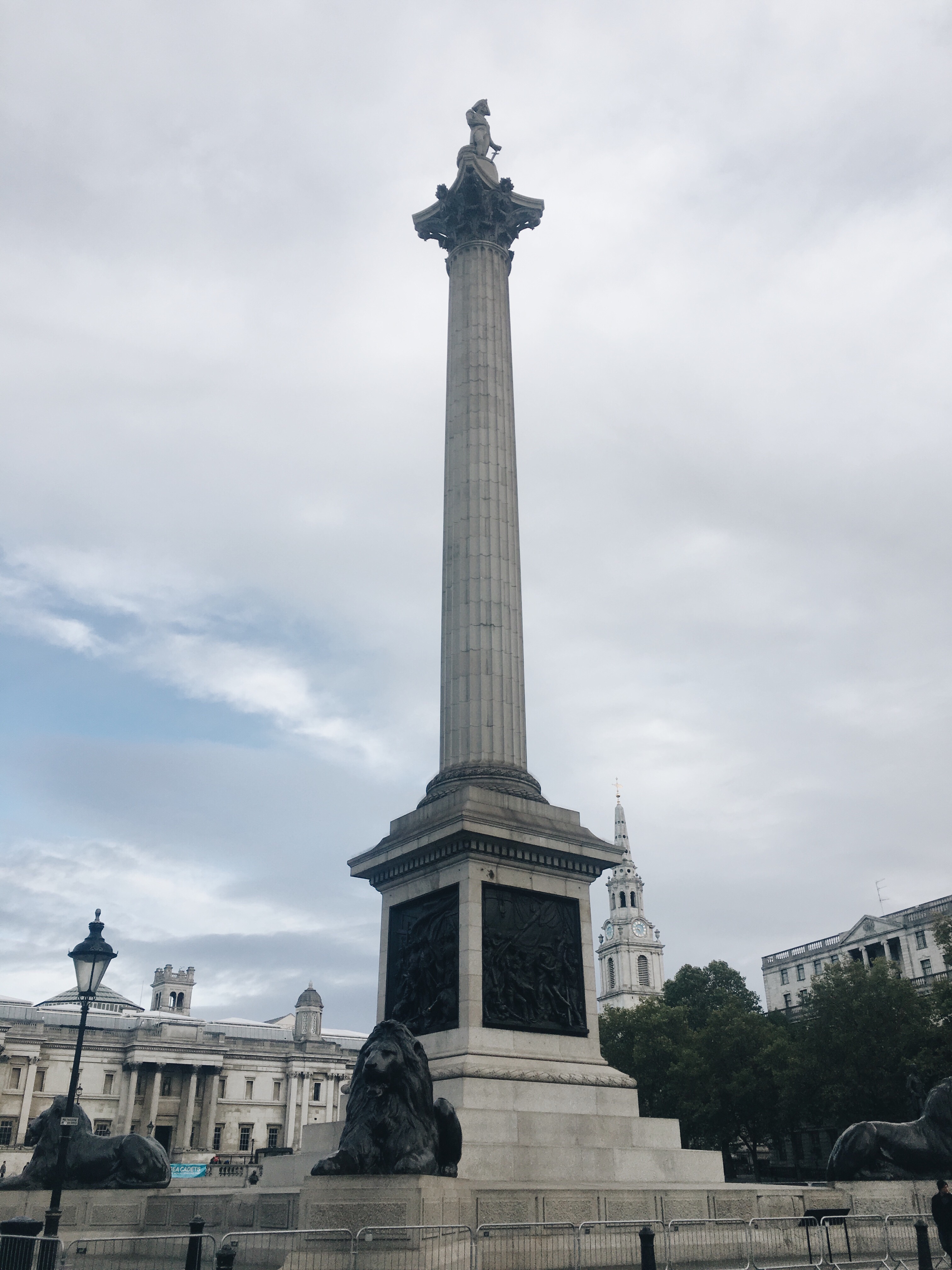
It was still early in the morning so most of the city had yet to wake up. There were a few people walking around enjoying the peace. I walked around, an anonymous soul in a sleeping city.
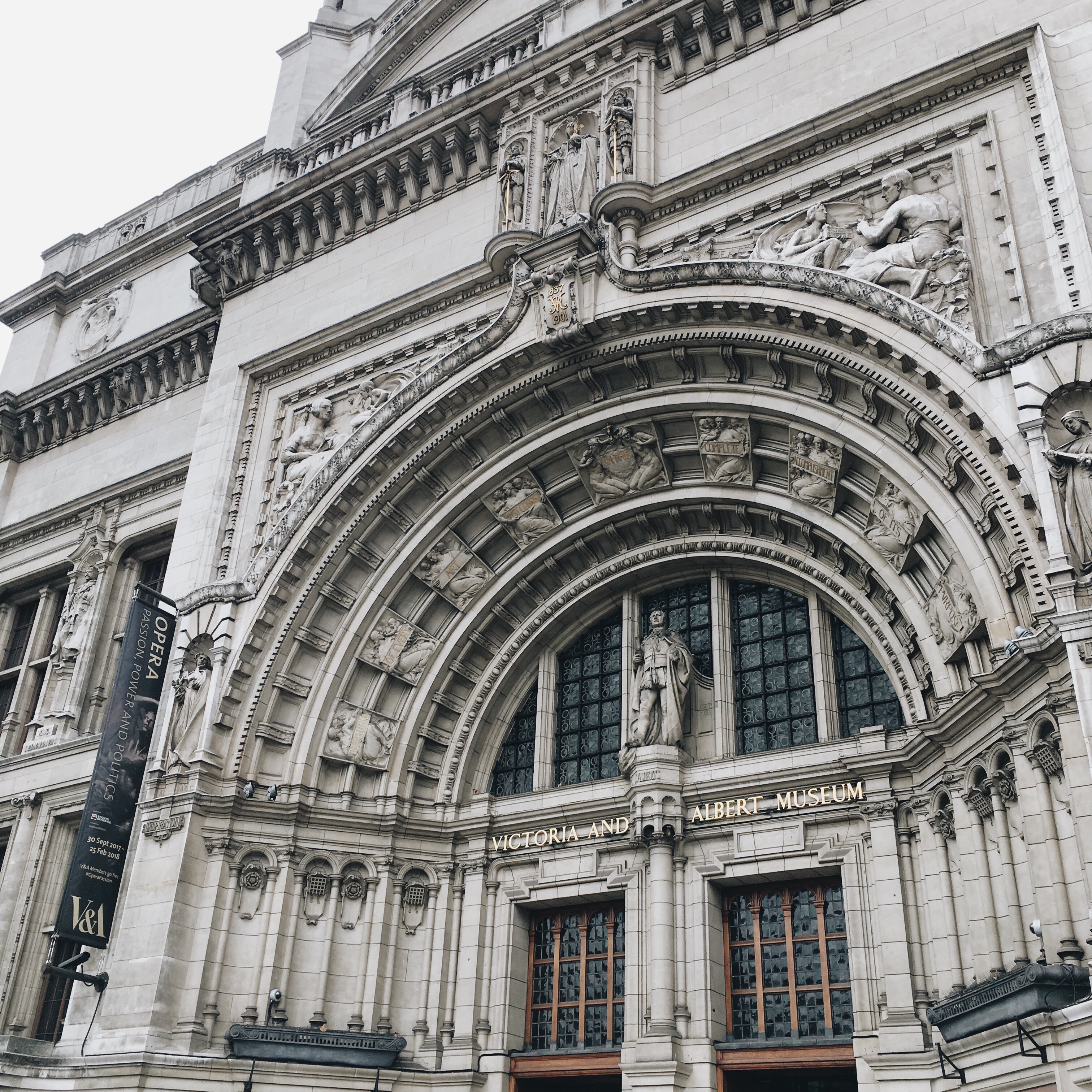
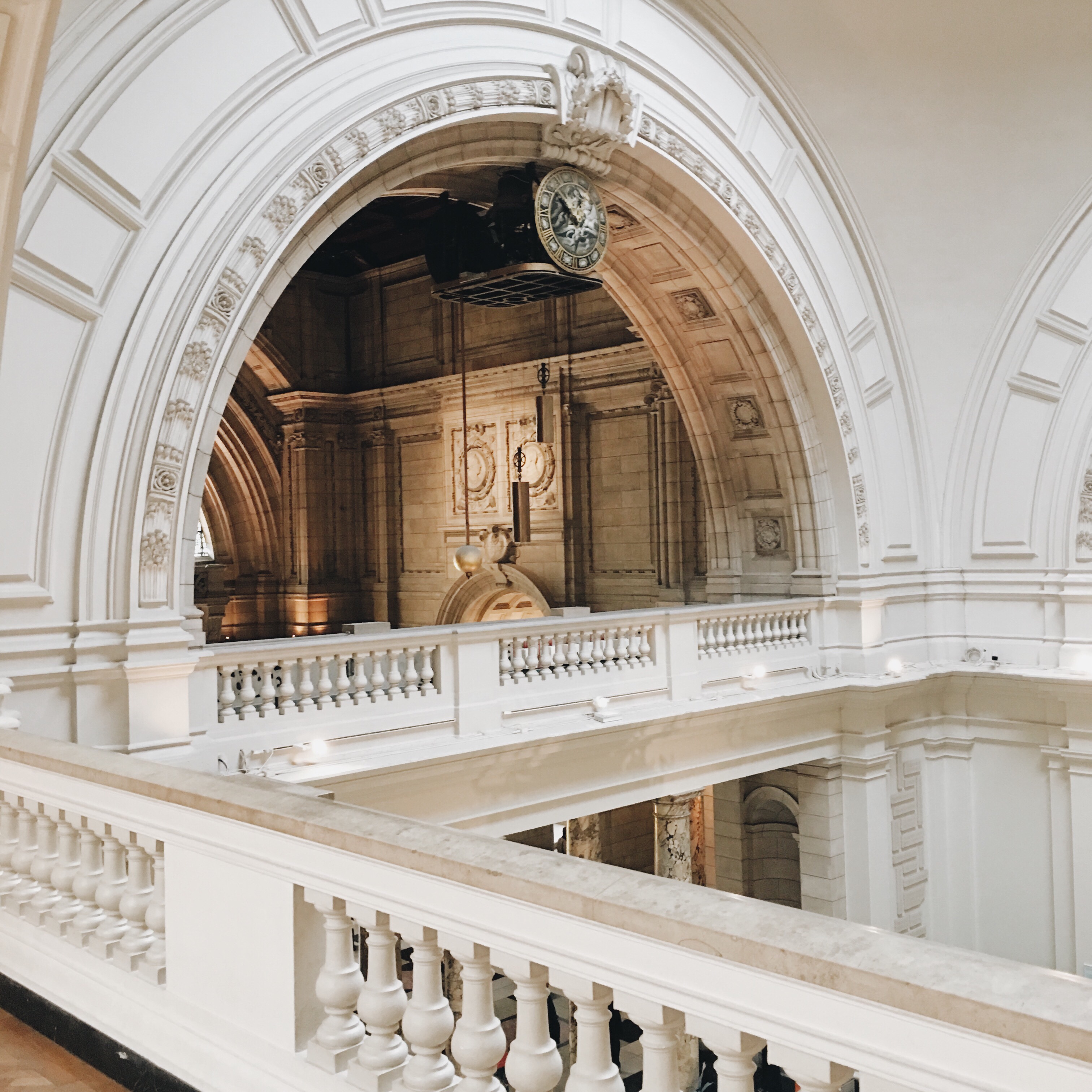
On Monday I went to the Victoria and Albert Museum and the British Museum. I enjoyed the V&A more although there were some beautiful pieces in the British Museum. Below top is the exterior of the V&A Museum and below bottom is a view from the interior on the second floor. One thing I really enjoyed about this museum was seeing a group of art students sitting around and sketching some of the interior decor.
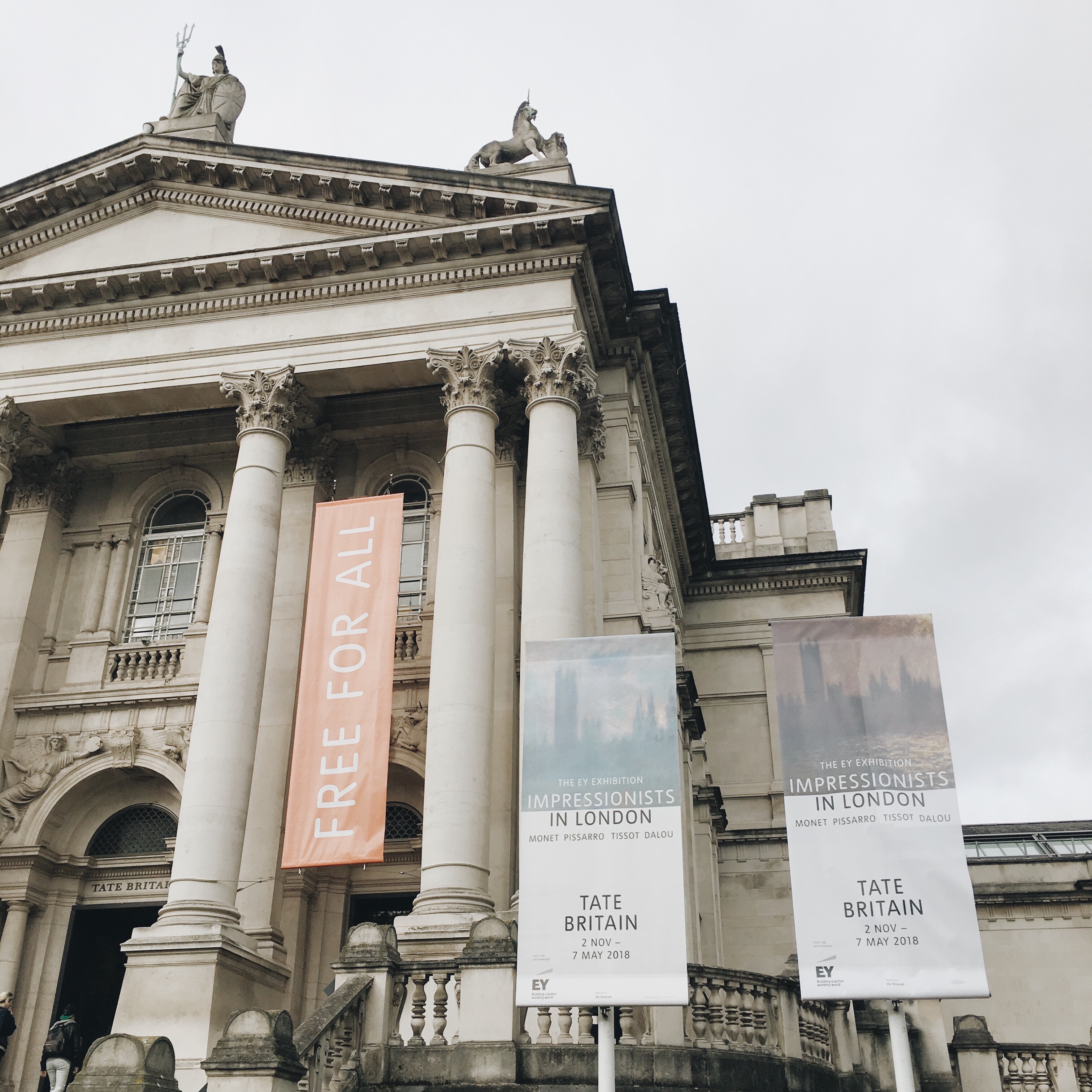
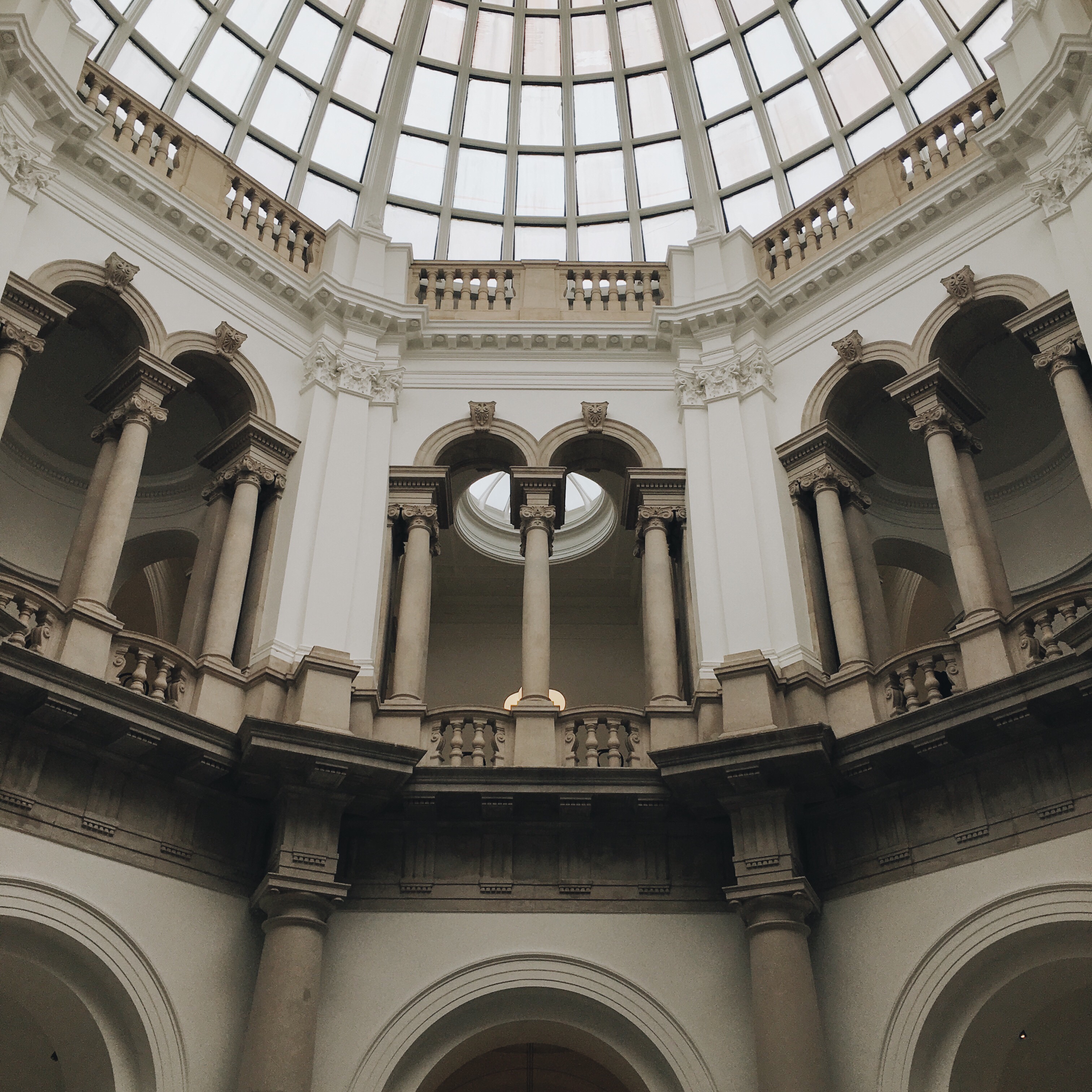
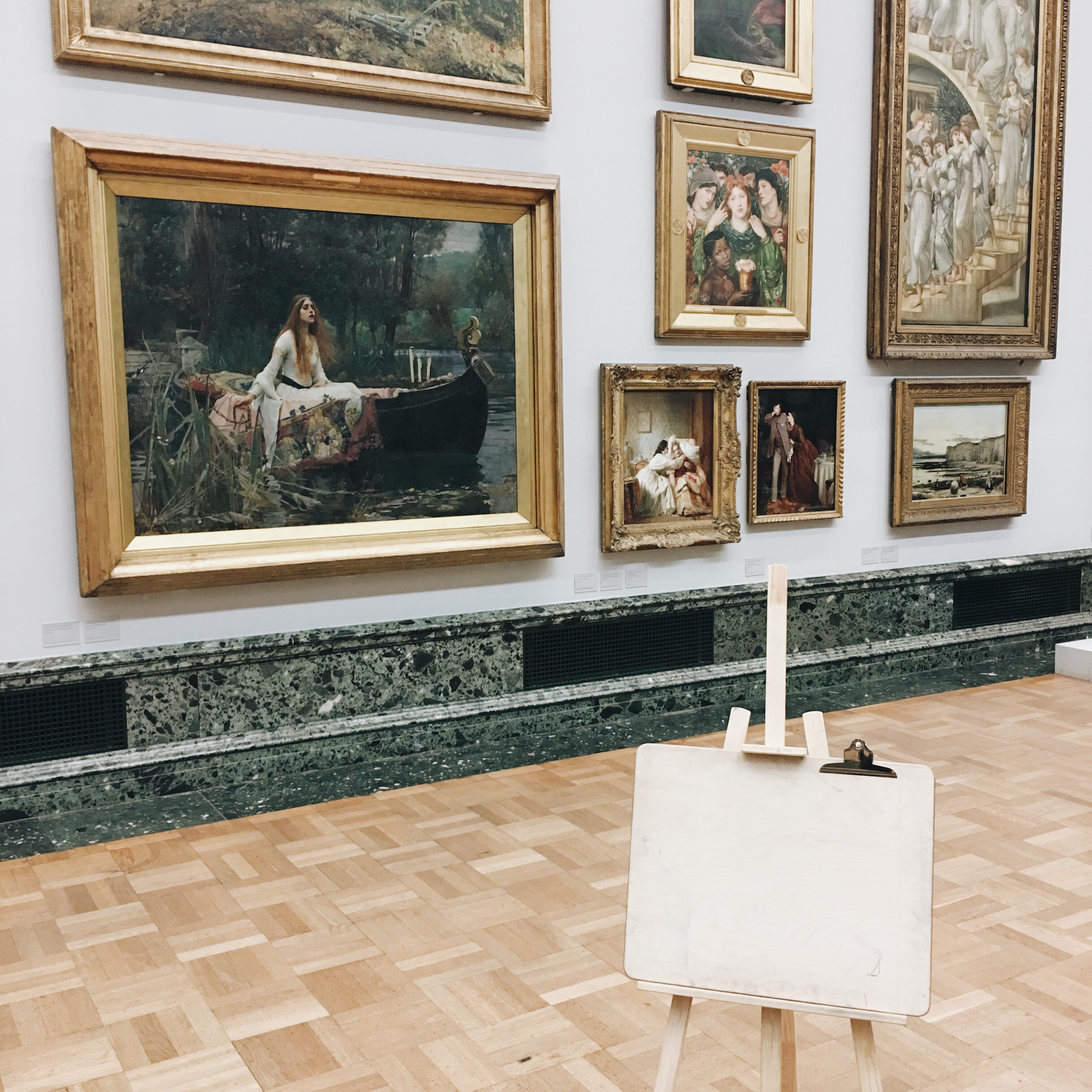
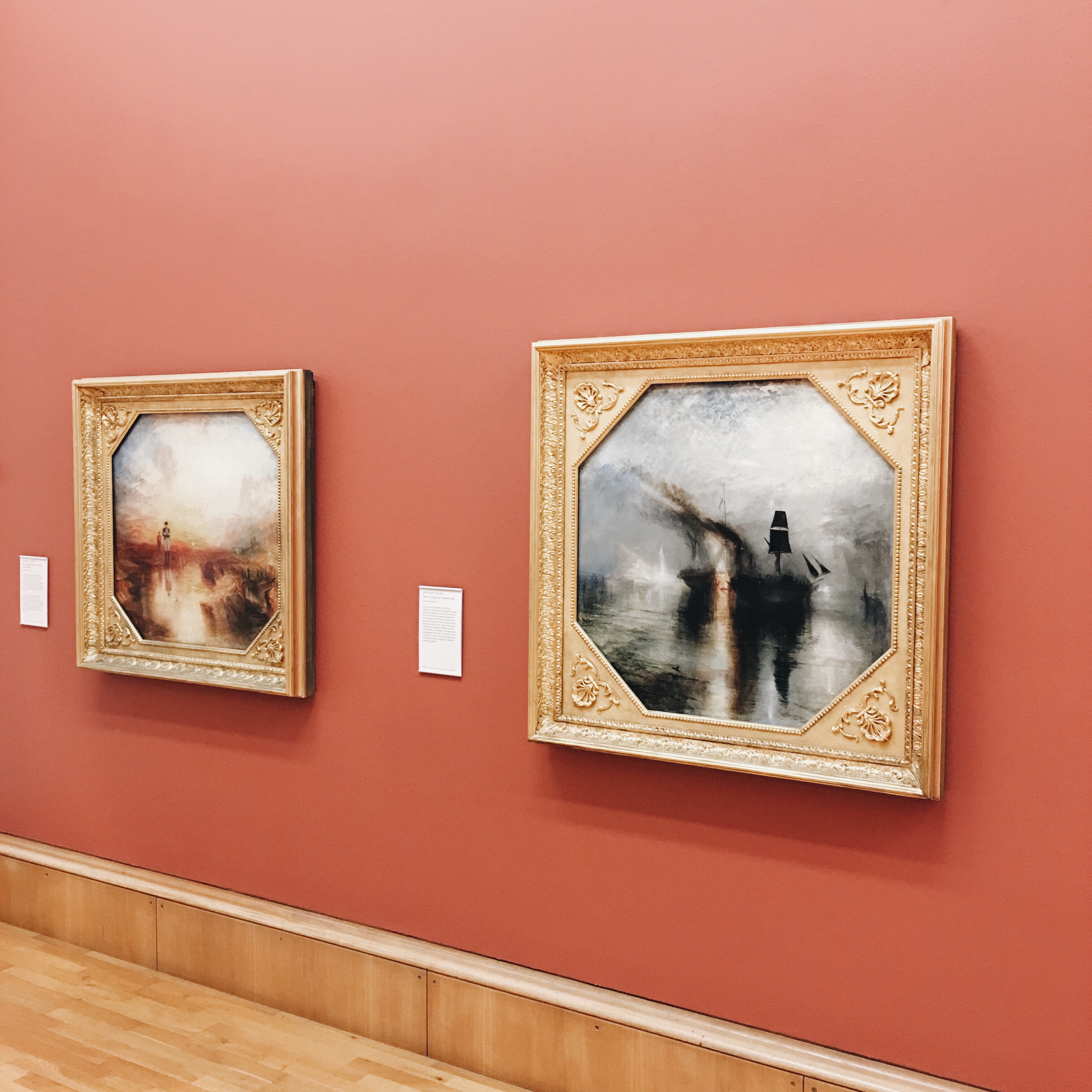
On Tuesday I went to see the Tate Britain museum. I saw the Turner exhibit and there was one room devoted to the Pre-Raphaelites. In the Pre-Raphaelite room, there was a group of art students taking photos of their favorite paintings. That is something I’ve always enjoyed doing at museums. I like to take a photo of the painting followed by a photo of the caption. Below top is a view of the exterior of the museum. The architecture immediately tells us, “I am a museum, a place of learning.” Below that is a picture of the interior immediately upon walking inside. I love domes. They are a marvel to see in person. The room below that is where the Pre-Raphaelites’ work is hung. I took many pictures in there. The bottom photo is from the Turner exhibit and the two paintings featured in the photo are Peace – Burial at Sea and War. The Exile and Rock Limpet, both exhibited in 1842.
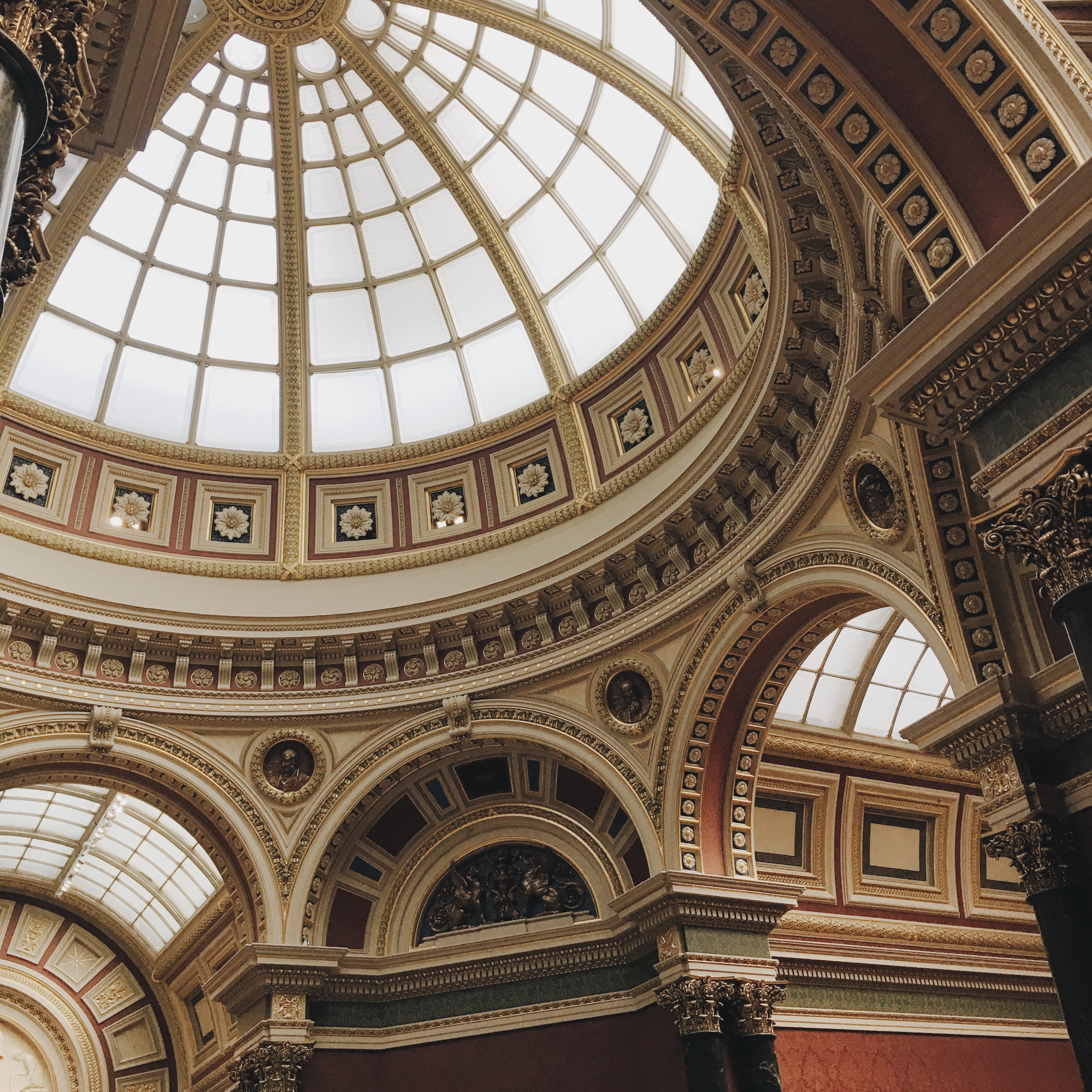
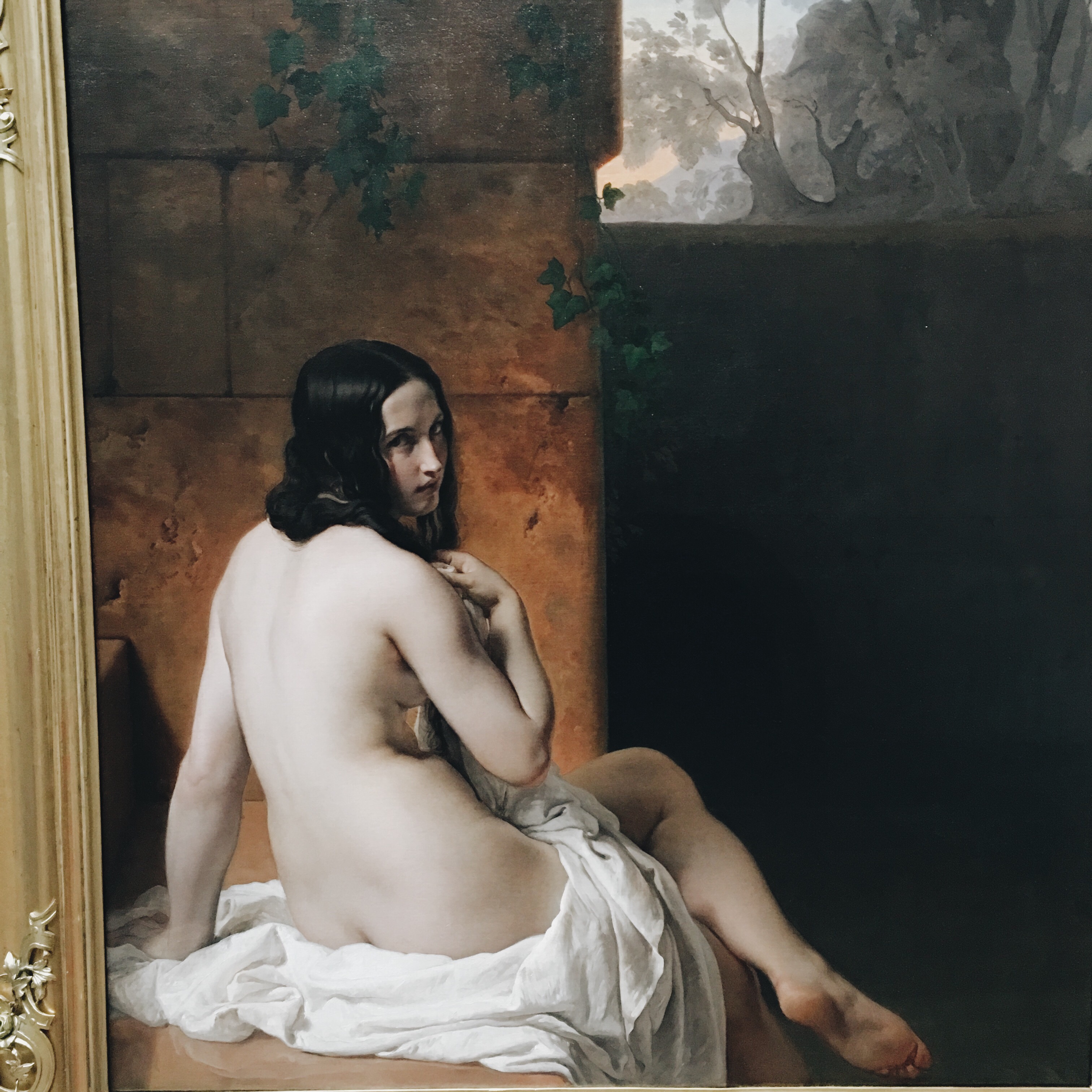
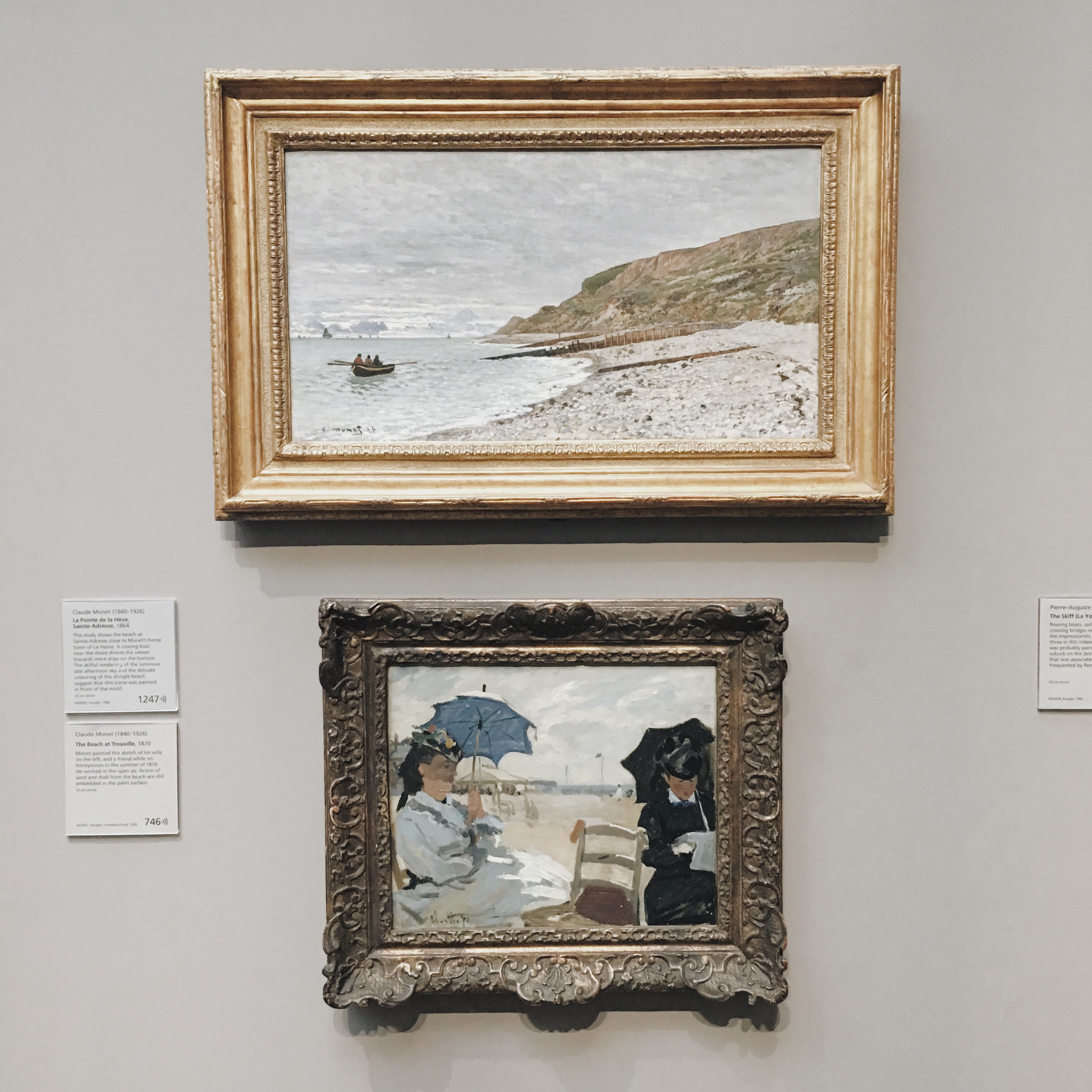
On Wednesday I went to see the National Gallery. I stayed here for a few hours and I really enjoyed myself. There were so many different wings of the museum and it seemed like every major artist from the last 600 years was featured. It was one of my favorite museums and a definite highlight of my trip. Below top is a photo of the interior. The detailing around the walls was very ornate. Below middle is a picture from 1850 called Susanna at her Bath by Francesco Hayez. I especially like the way the artist captured her facial expression and the way he showed the aging of the stones behind her. Below bottom is a collection of two paintings from Claude Monet, La Pointe de la Hève, Sainte-Adresse and The Beach at Trouville. I happened to see both of these last year at an exhibit at the Kimbell Art Museum in Fort Worth, Texas.
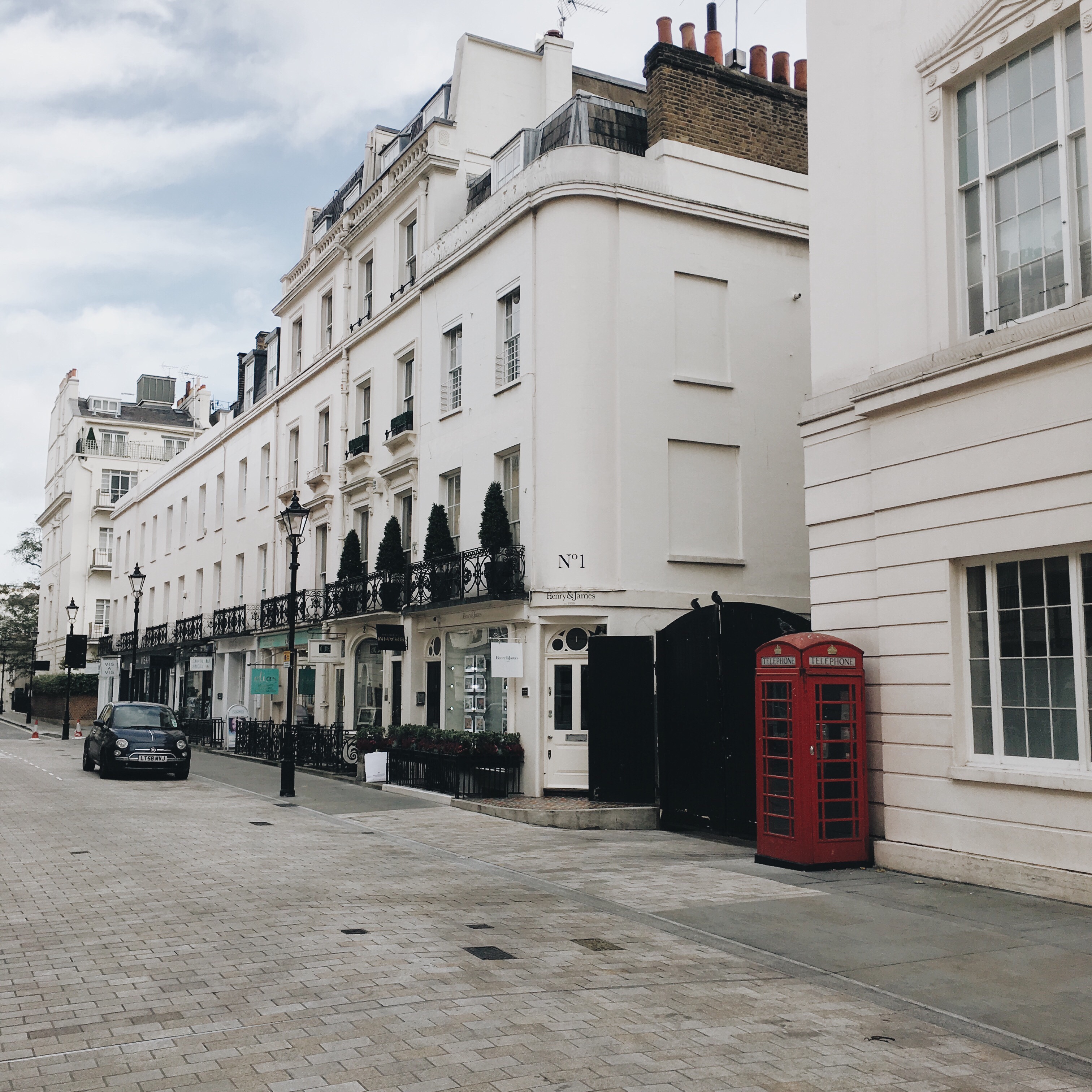
Most of this post has been about the museums that I visited so here is a building I found on Sunday on a side street somewhere near Belgrave Square Gardens. I really like the simple white colors and black accents. I can see myself living here and hanging flowers from the small metal planter boxes under the windows.

Here is a picture of an empty street on the same Sunday. I love the simplicity of these buildings. They have rounded corners and are painted in neutral colors. The addition of the red telephone box also brings the whole scene together.
London was a remarkable city.
 A Walk Through The City
Lovely read, Ryan!
LikeLike
Thank you Kate! I am happy you enjoyed reading this.
LikeLike