It has been three months since I finished the Designing A House series. I posted my first essay in the series in September 2021 and posted the last essay in August 2024. The project began with a simple question: If I were to design a house, how would I do it?
The point of the project was to take an idea and turn it into a conceptual model. In the first essay, I posed some rhetorical questions to myself. I thought about these questions throughout the design process. In the second essay, I started a floor plan. In the third essay, I designed the landscape and exterior features. In the fourth and final essay, I reviewed what I had created and then finalized the design.
In the second essay, I introduced the phrase “visual essay” to refer to my design. The reader may have noticed that my series was heavy on the “essay” and light on the “visual”. At least where the design itself was concerned. I knew from the beginning that I would include a concept drawing. A concept drawing is a visual representation of a design that allows the designer to work out the details of the overall project before any actual work is completed. Like a movie director creating a storyboard for a movie. A great synonym would be “brainstorming”. Other creative folks also create “mood boards” to catalogue and organize pictures they use for inspiration. You might say my essay series constituted the concept drawing and the pictures I included served as the “mood board”, or the visual support and inspiration for the conclusions I worked out in each essay. My intention was to provide enough descriptive detail for the reader to visualize my design alongside me.
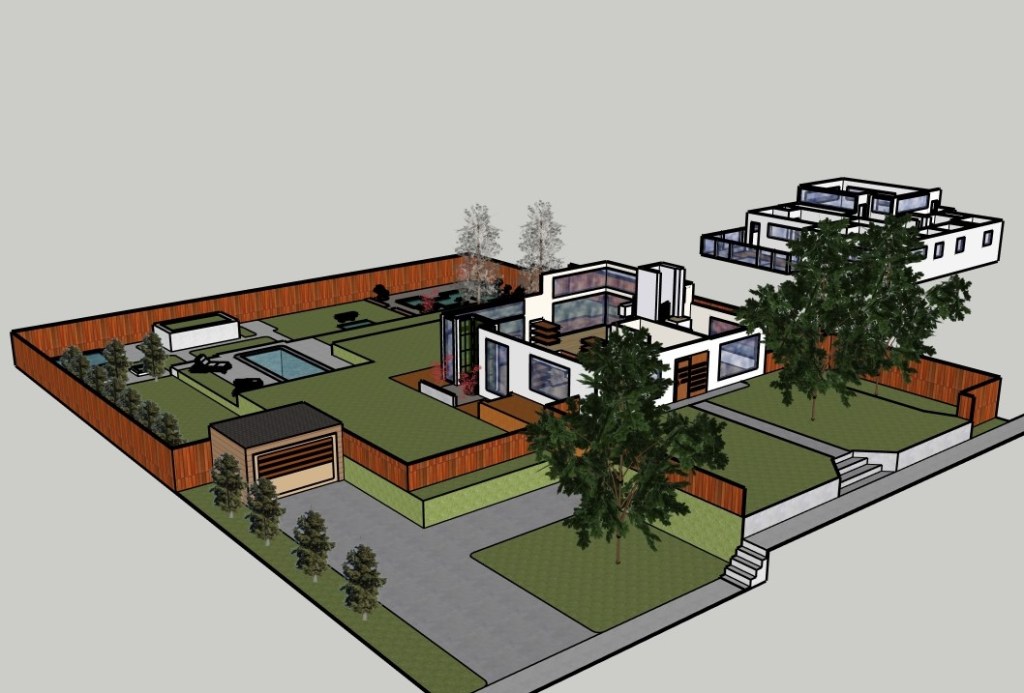
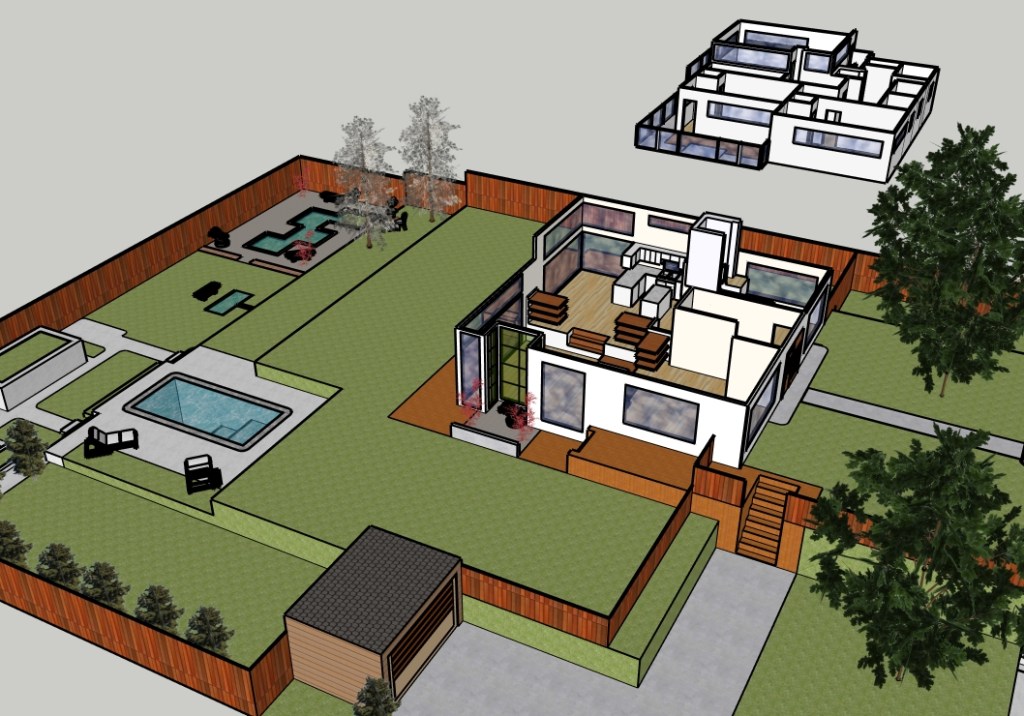
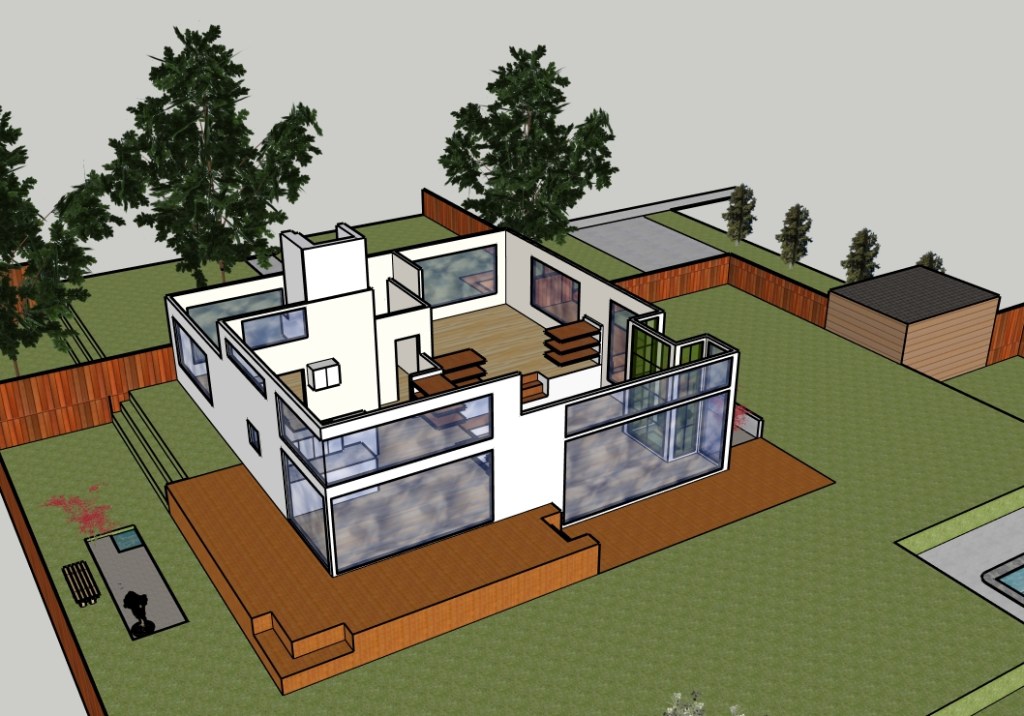
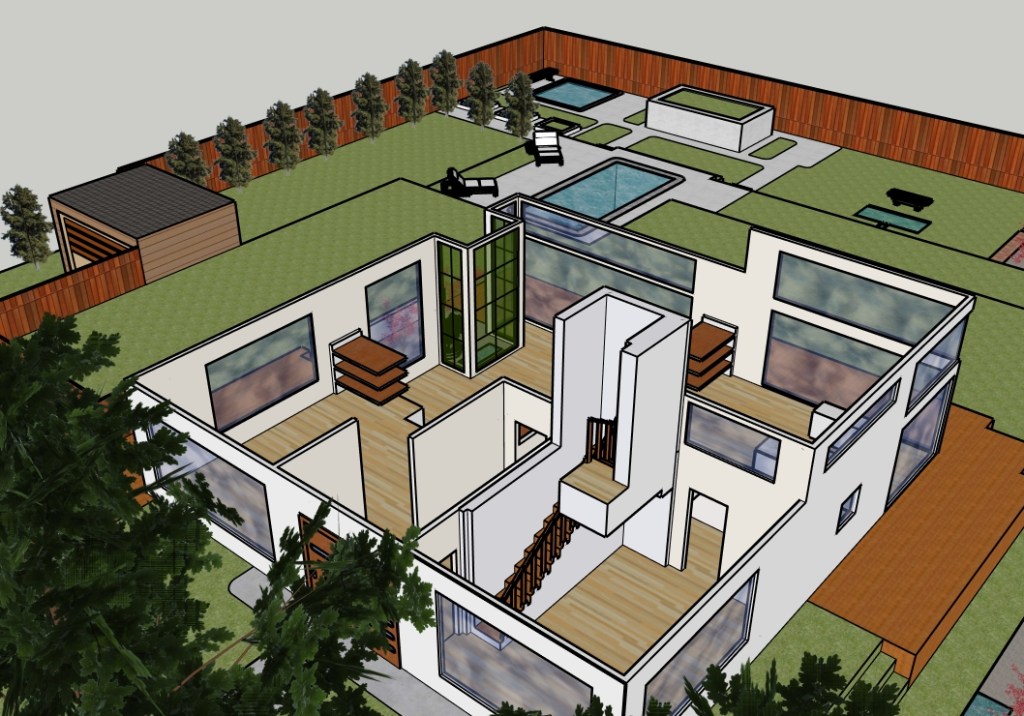
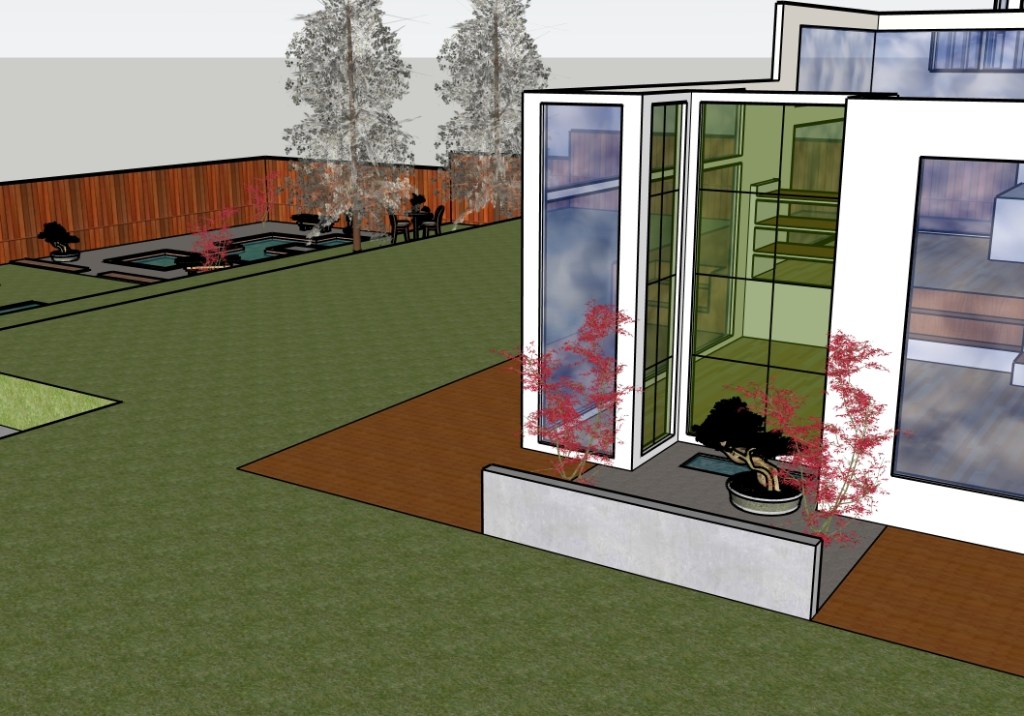
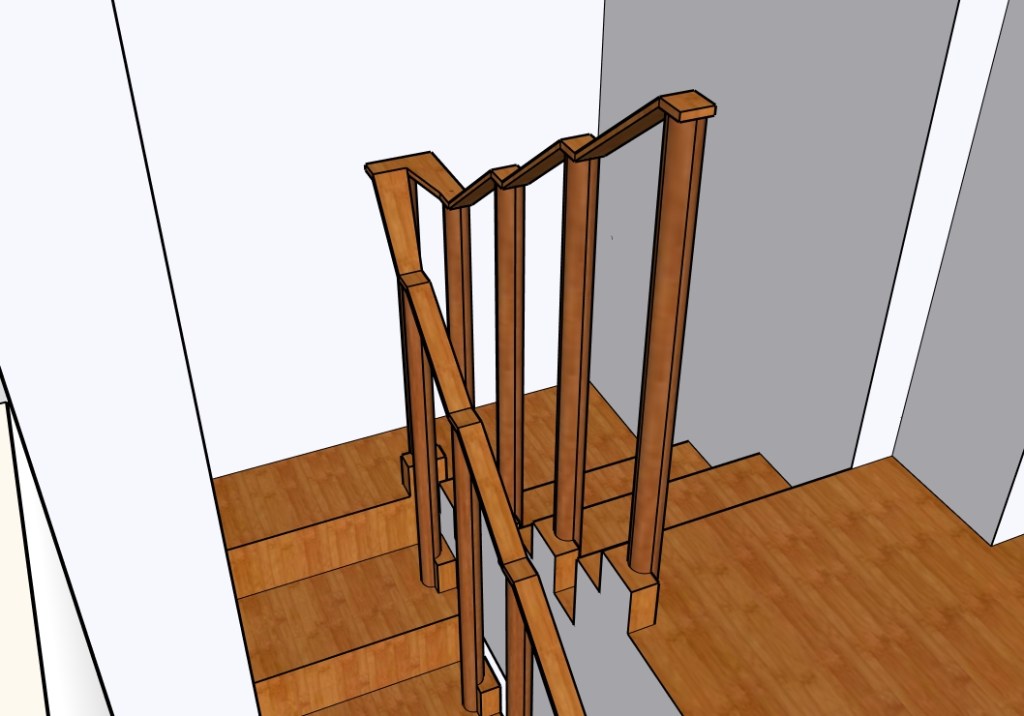
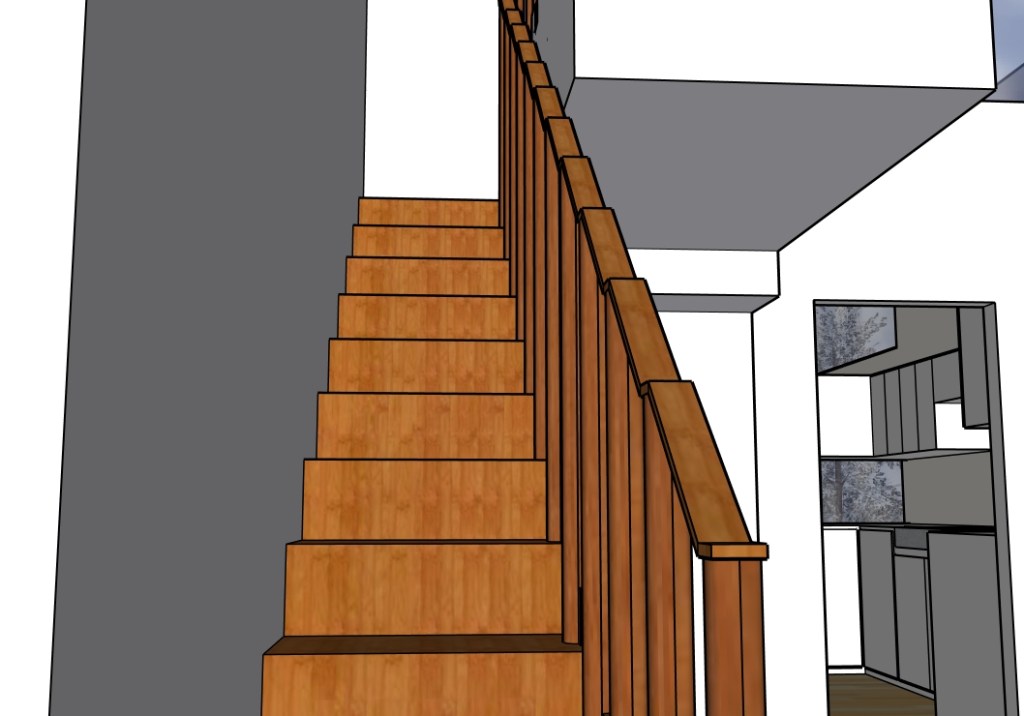
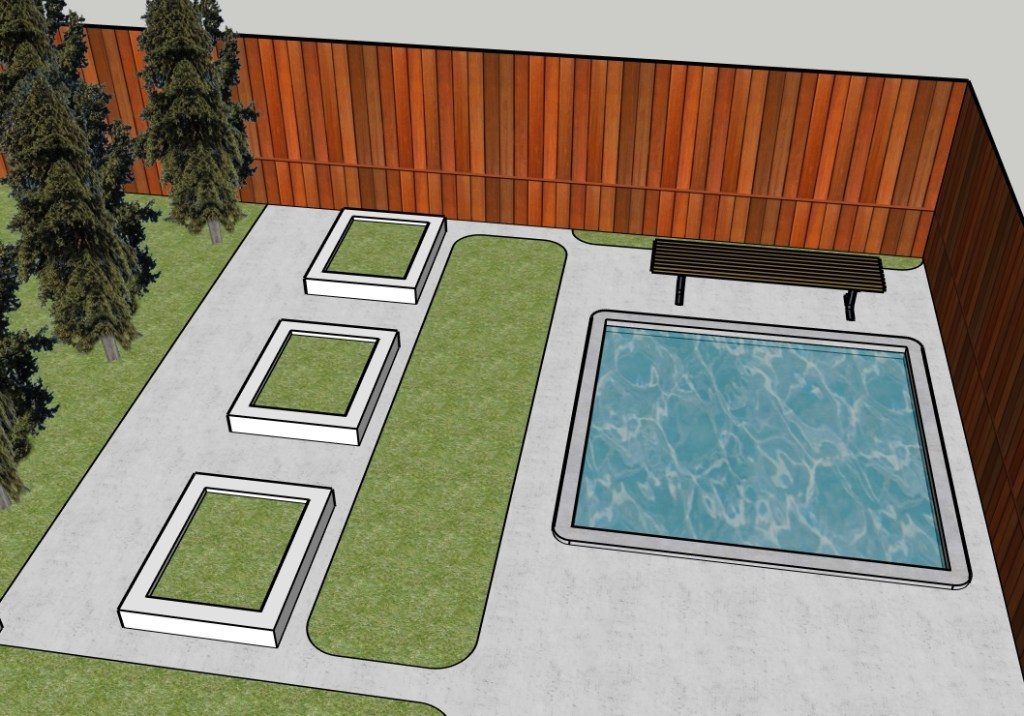
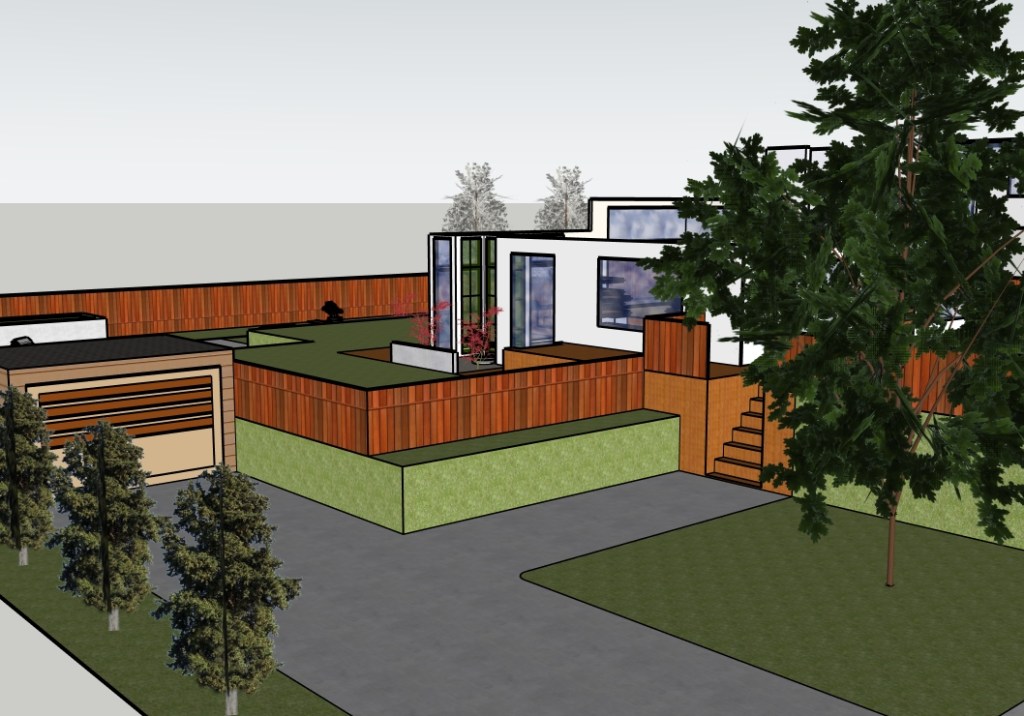
After posting the fourth and final essay, I wanted to start the concept drawing. Now I would take my completed essay series and turn it into a three-dimensional model.
Before I go any further, I want to pause to talk more about my inspiration for this project. I talked about this briefly over the course of the project, but my inspiration goes further. The reader would not be surprised to know that I took architecture courses in high school and college. I even considered pursuing a degree in architecture. In the end, studying architecture and design became my hobby, the one that puts me in my “Flow State”. My interest also goes beyond reading. I love to travel to see architecture in person. One of the best things about architecture is experiencing the design in person. Seeing its form, how it interacts with its surroundings, feeling its textures. Art is visceral. It resonates deeply with us. When we are standing in a good building, our senses are overwhelmed. It is overpowering and awe-inspiring. Experiencing architecture is an activity that puts me in my Flow state.
Professor Csikszentmihalyi outlines nine components to achieve Flow. The two that I will highlight here are the autotelic experience and the challenge-skill balance. The autotelic experience means that the activity is done for intrinsic reasons, for personal enjoyment, rather than for external reasons. The challenge-skill balance means the activity has reached the optimal combination of challenge and skill required to meet the challenge. If the challenge is high and the skill is low, the resulting experience is anxiety. If the challenge is low and the skill is high, the resulting experience is relaxation. The way you build Flow is through action. By doing. By practicing.
In my architecture courses, the final project consisted of designing a house. Although I understood the spirit of the exercise, which was to design something usable over a set time frame and with a given set of criteria, I felt underwhelmed after each project. It could have been my readiness level. I was given the tools to create, but I didn’t have any experience or inspiration to draw from. There was no wellspring of inspiration. I found the older I got, the more I realized I enjoyed reading about architecture than learning how to draw it. The tools to create drawings became irrelevant. This was one of the reasons that I dropped architecture as a career choice. Years ago, one of my best friends gave me Flow to read. I identified studying architecture as one of my Flow States. That realization confirmed the decision I made back in college. I never looked back after that. I recently came across a passage from Goethe in Italian Journey that inspired me:
“I should not like to live here permanently or anywhere else where I had no occupation. For the present the novelty of everything keeps me constantly busy. Architecture rises out of its grave like a ghost from the past, and exhorts me to study its precepts, not in order to practice them or enjoy them as a living truth, but, like the rules of a dead language, in order to revere in silence the noble existence of past epochs which have perished for ever.”
Johann Wolfgang von Goethe, Italian Journey
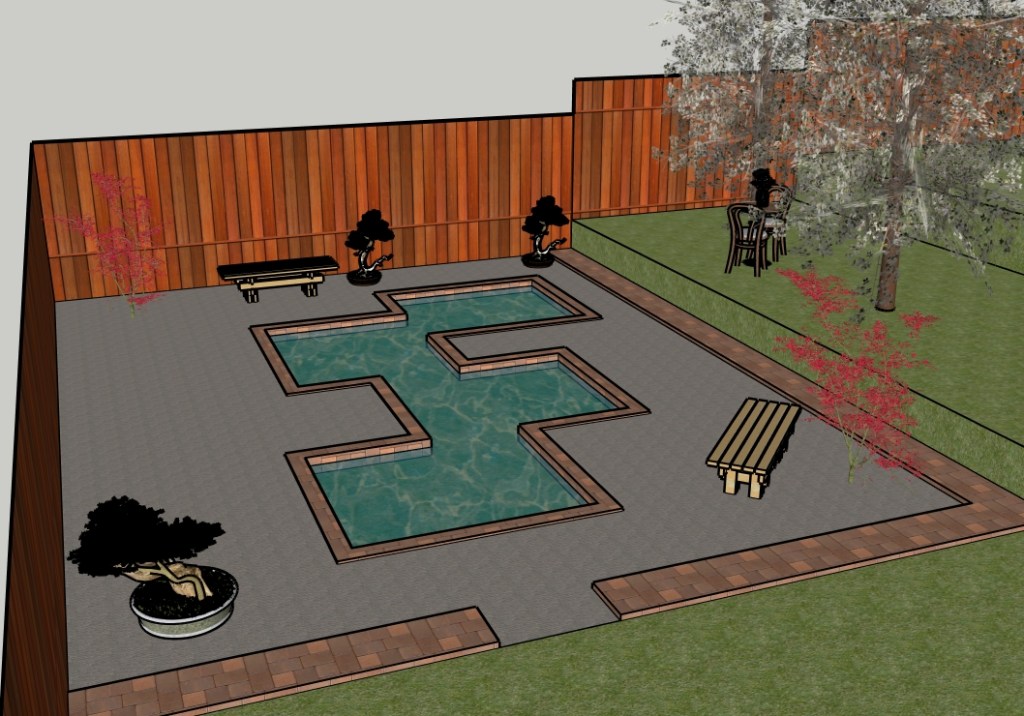
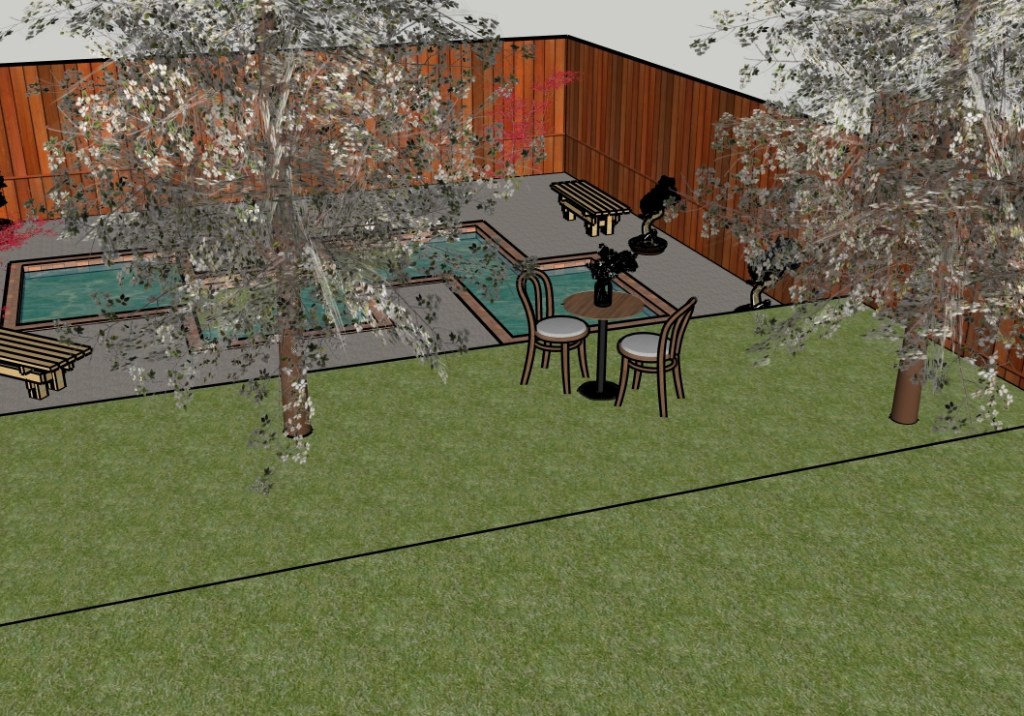
The personal enjoyment I get from studying architecture is enough for me. Content with where I am, I took on this project for myself. I purposely didn’t set a time frame for completion. I thought it would be fun to revisit a drafting program. But this time, not as a tool for drawing, but as a tool to help me experience the building. To put myself inside it. To see its form and how it interacts with its surroundings. I couldn’t feel its textures, but I have enough experience now to imagine how those textures feel on my fingertips. I imagined myself sitting in the chair under the linden tree, listening to the gentle sound of running water, and feeling the grass under my shoes. Taking in the whole scene.
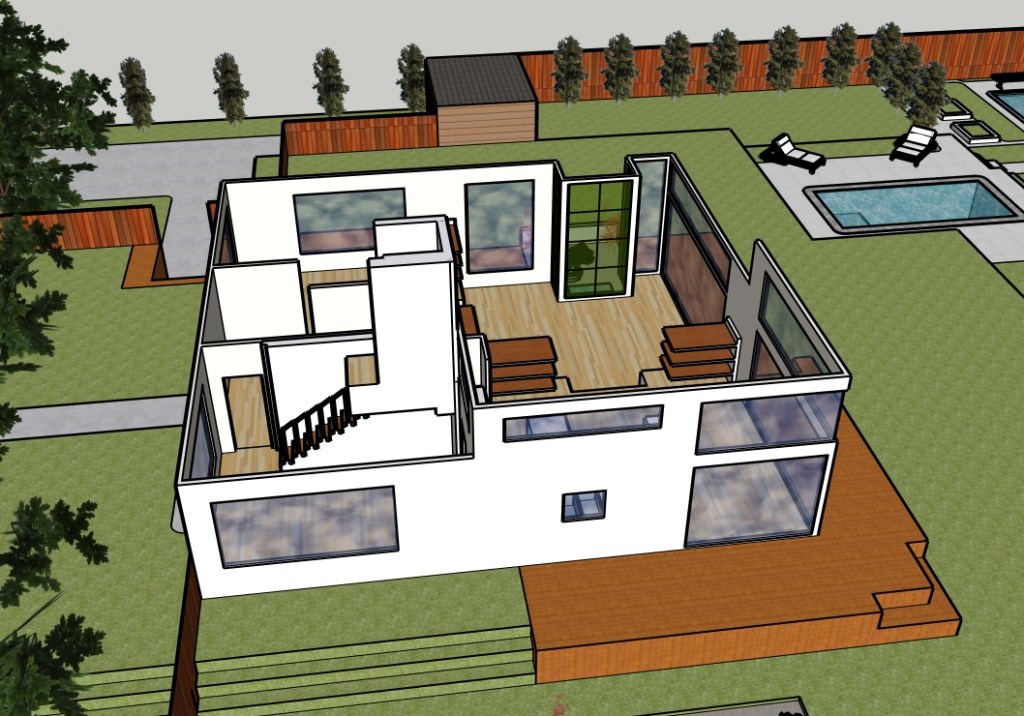
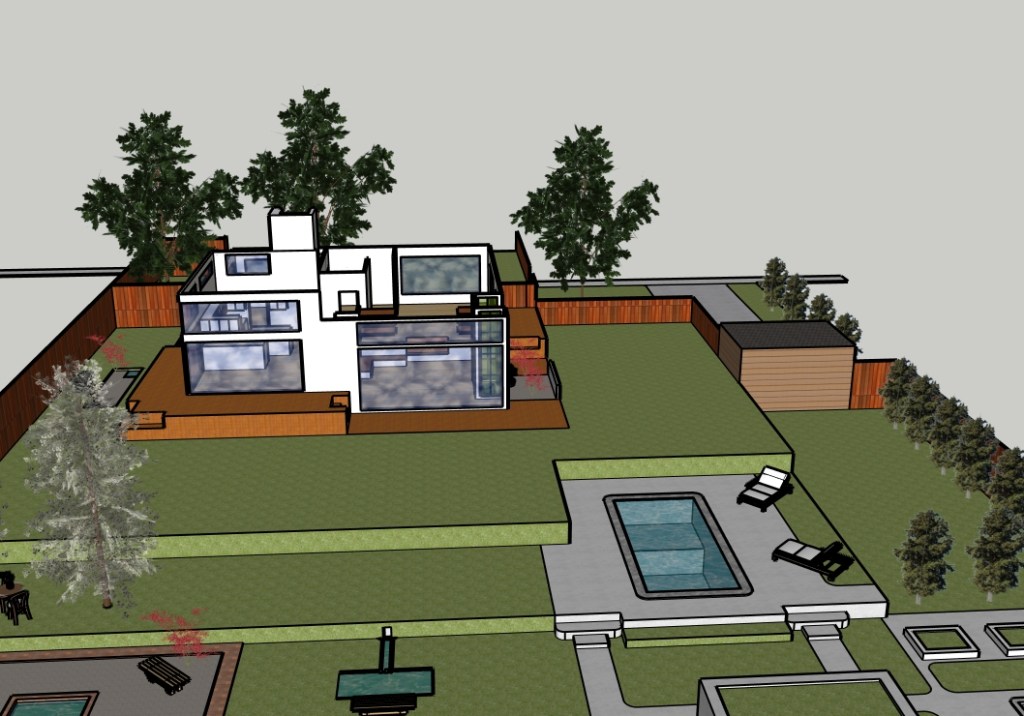
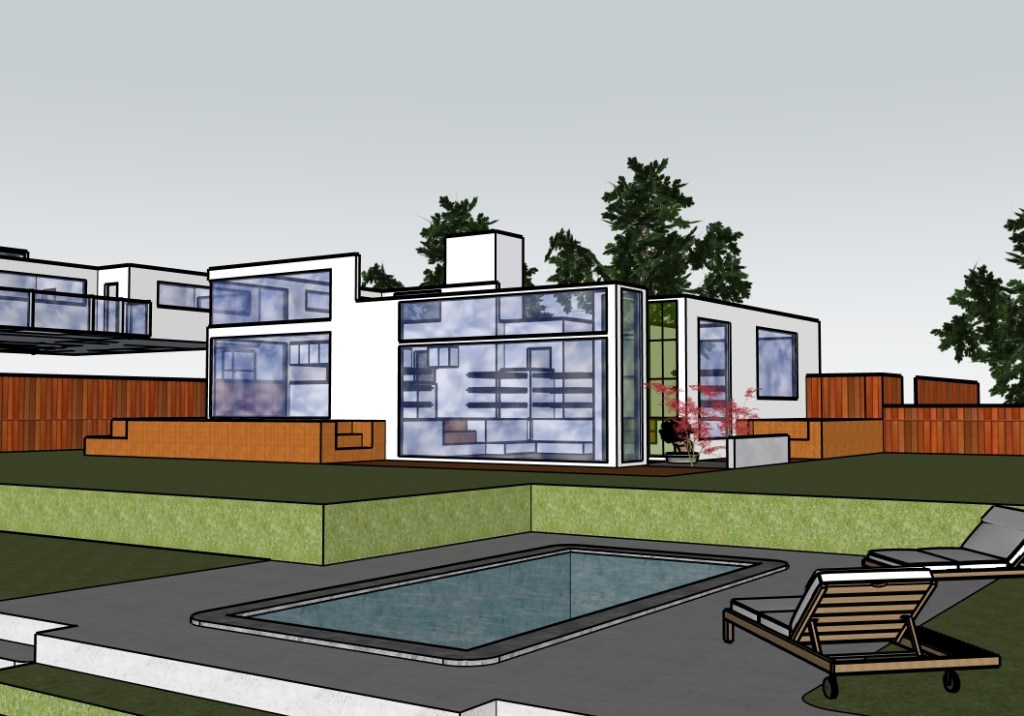
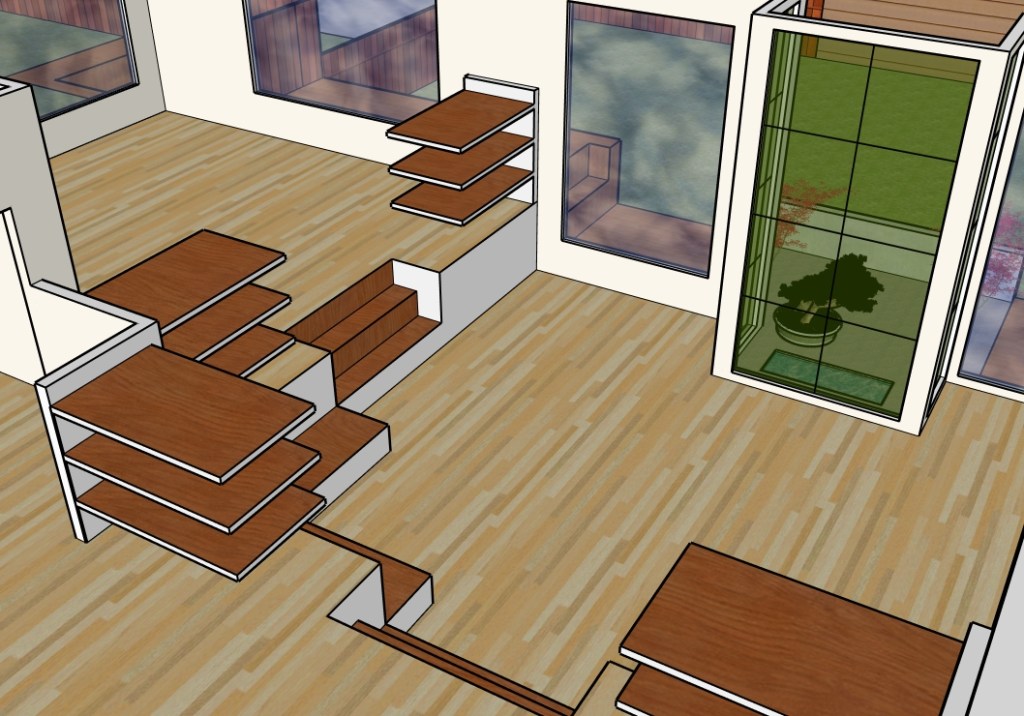
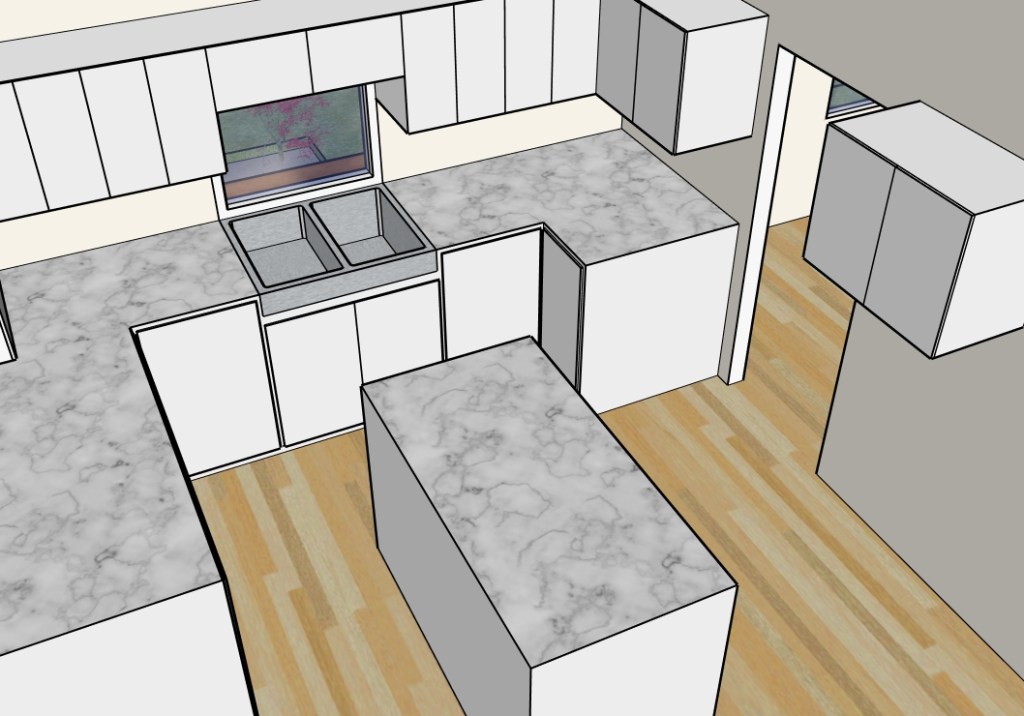
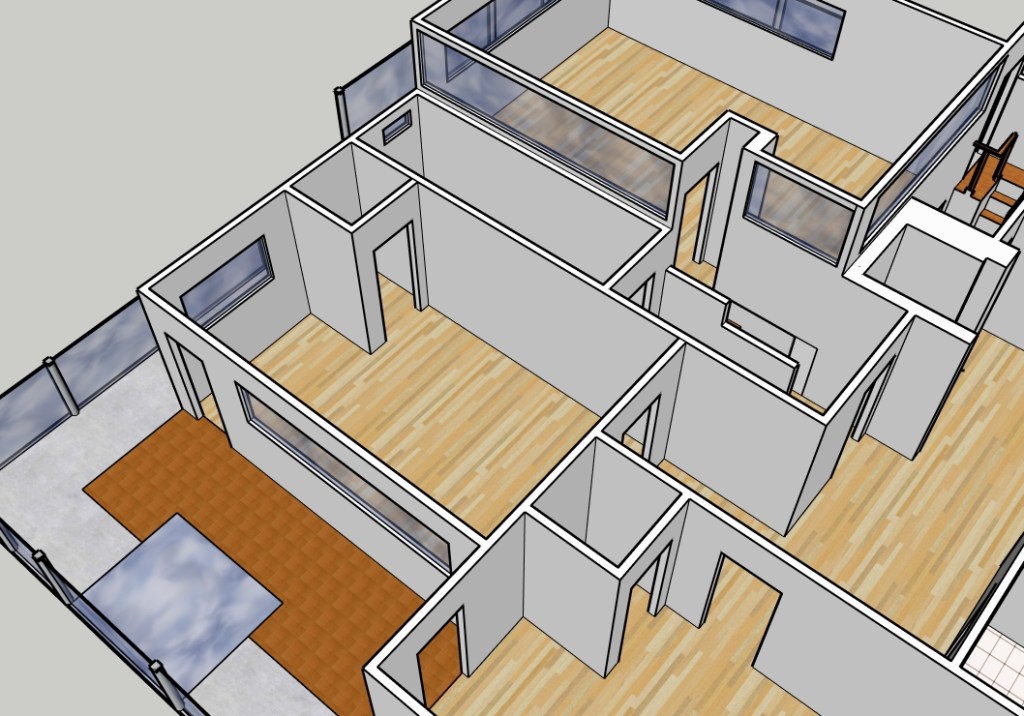
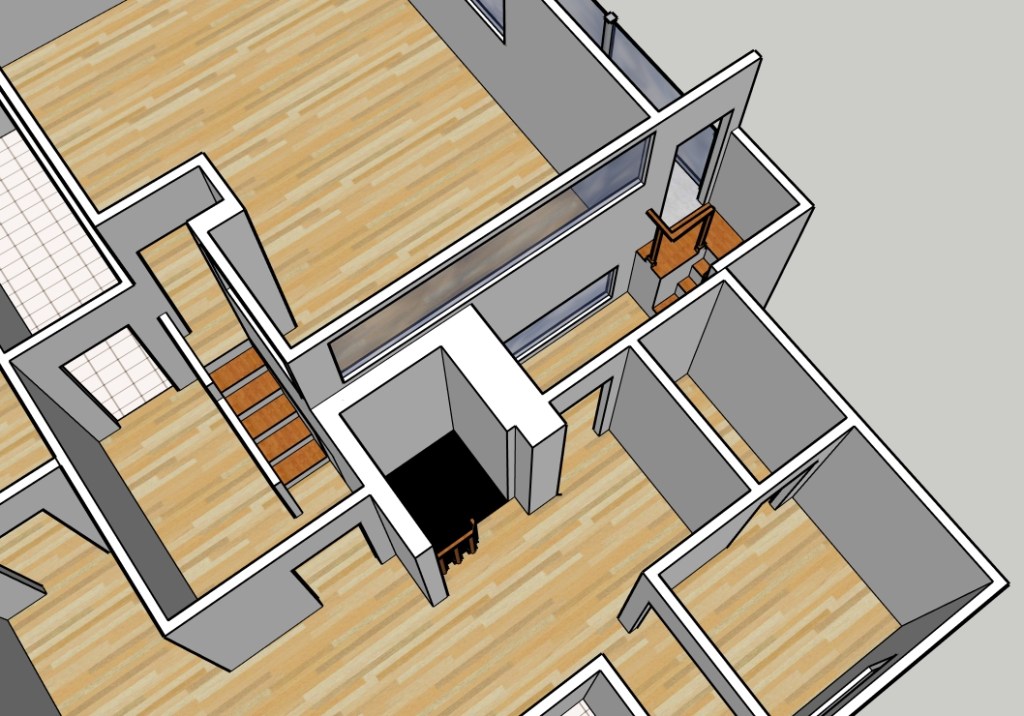
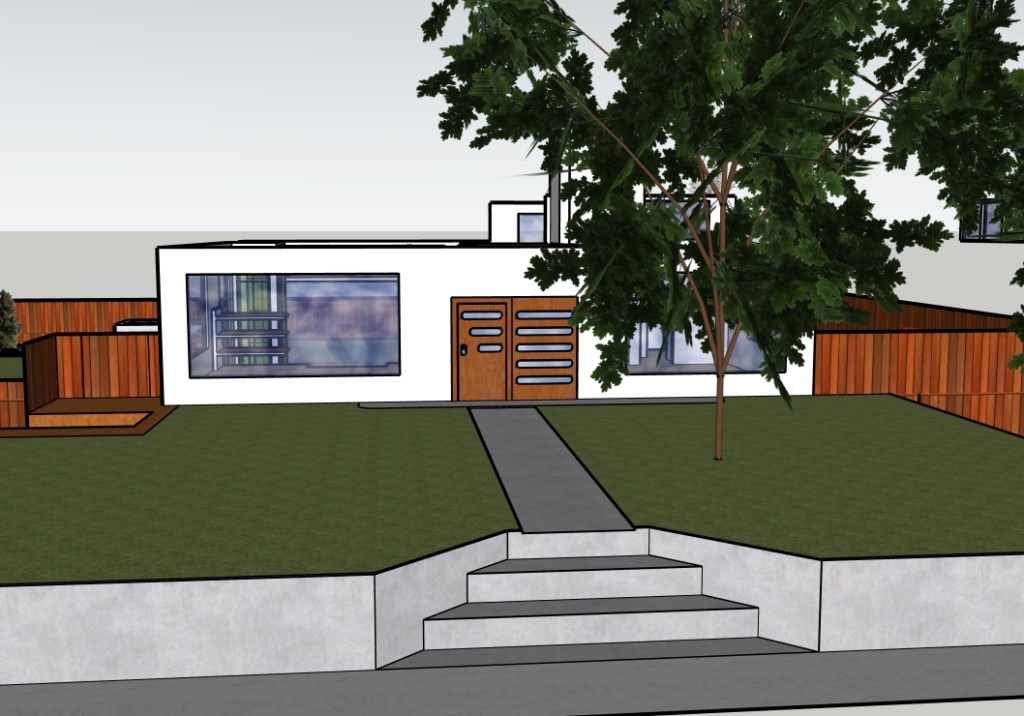
Here is the final result:

 A Walk Through The City